
Twise Alternatives in 2026: Switch Pro Wins for Android
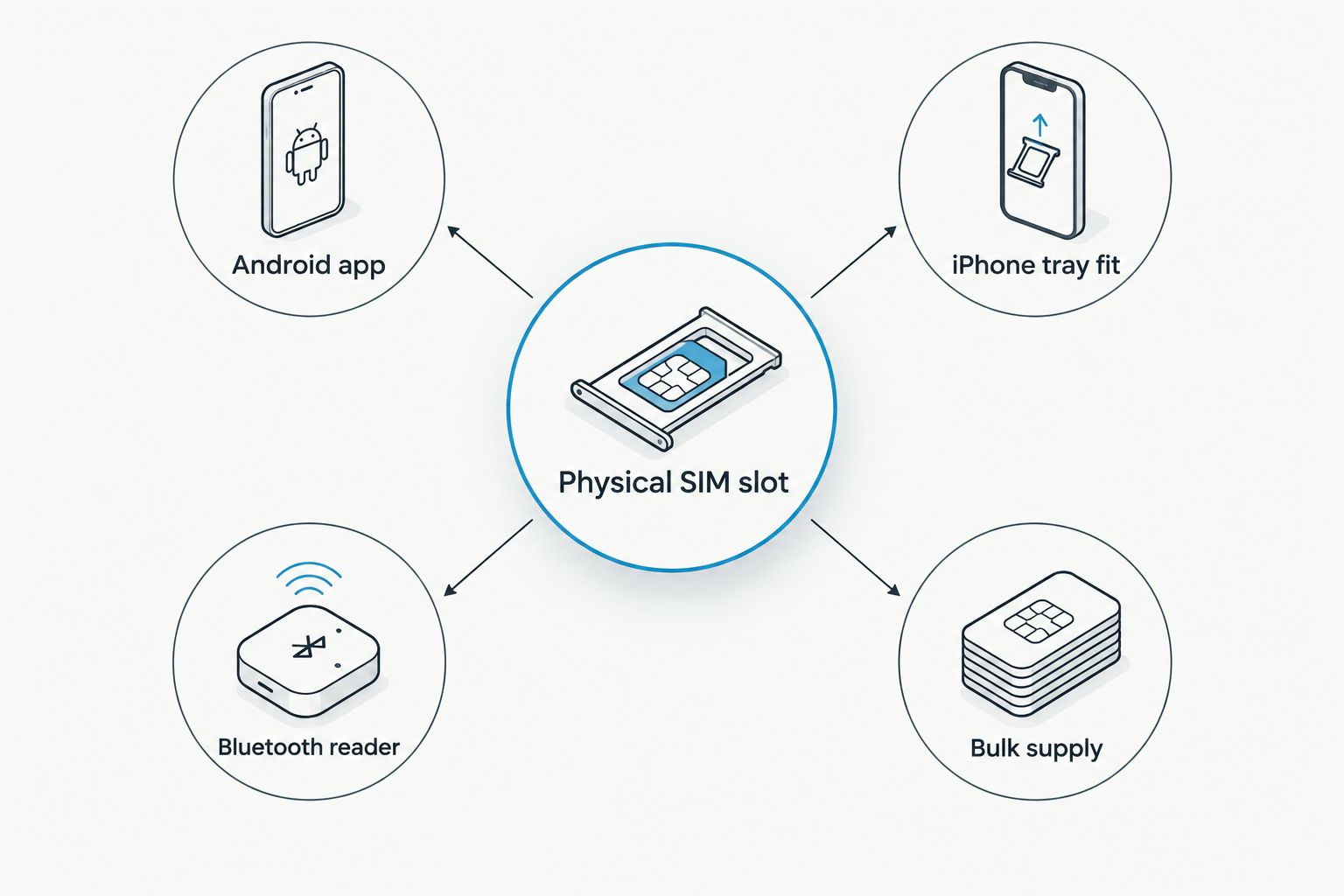
The best Twise alternative in 2026 depends on the phone you're switching profiles on: Switch Pro handles Android multi-profile management, Switch Max extends that to compatible iPhones, and the Switch Bluetooth reader loads profiles without an Android phone anywhere in the loop.
- Switch Pro is the strongest Twise alternative in 2026 for Android profile switching.
- Switch Max is the pick if you need eSIM profile switching on a compatible iPhone.
- The Switch Bluetooth reader loads profiles without an Android phone in the loop.
- Twise still works if you're Android-only and don't need bulk or white-label supply.
Why this matters
A physical eSIM adapter card, including Twise's, only works if the target device has a compatible physical SIM slot. That's the first filter, before any comparison of apps or features matters.
The second filter is operating system. An Android-first card manages profiles through a companion app; an iPhone needs a card configured before it goes into the tray, and iPhone eSIM behavior still depends on model, regional variant, carrier-lock status and network bands. Searches for Switch Pro alongside twise alternatives usually come from people who hit one of these two filters and need a different path.
A third filter, less obvious but real for resellers and IT teams: whether profiles can be loaded without an Android phone acting as the controller. That's what a Bluetooth reader solves and a card-only setup doesn't.
Twise alternatives at a glance
| Tool | Best for | Standout feature | How it differs from Twise |
|---|---|---|---|
| Twise | Basic eSIM profile switching on a physical card | Physical adapter card format | Baseline for this comparison |
| Switch Pro | Android multi-profile management | Dedicated Switch Android app for switching and naming profiles | Adds an app layer for managing profiles instead of card-only switching |
| Switch Max | eSIM profile switching on compatible iPhones | Configured card fits a compatible iPhone's physical SIM tray | Extends physical-card switching to iPhone models that support it |
| Switch Bluetooth reader | Loading profiles without an Android phone | Open-source Bluetooth provisioning | Removes the phone-as-controller requirement entirely |
1. Switch Pro: best for Android multi-profile management
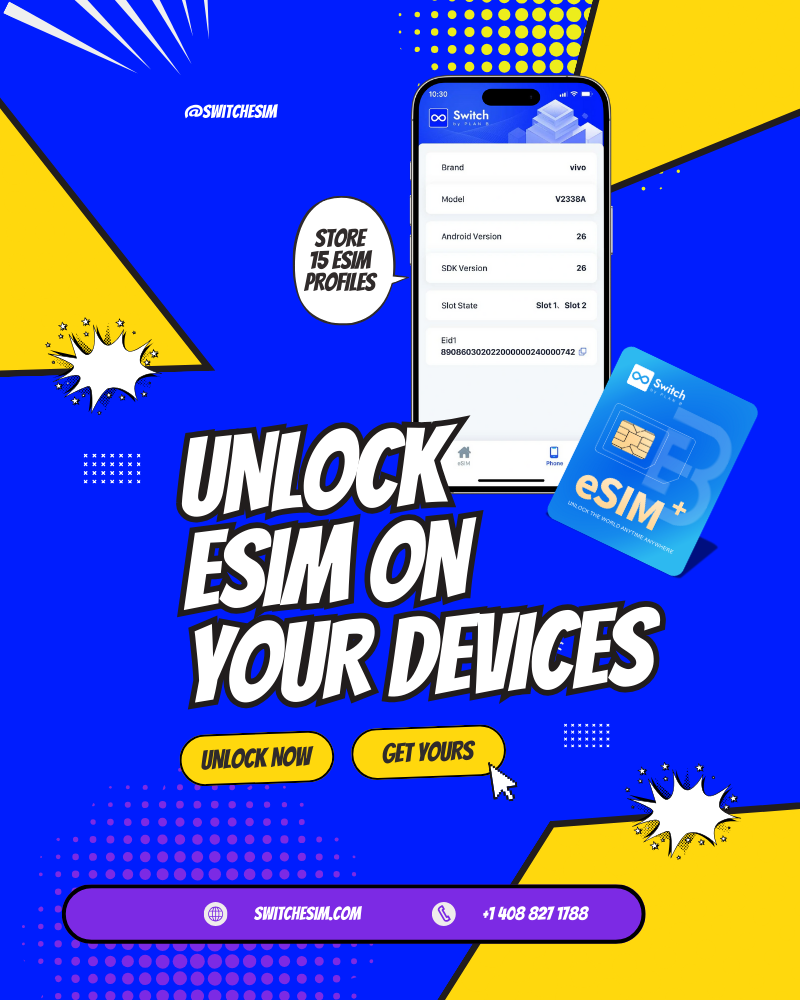
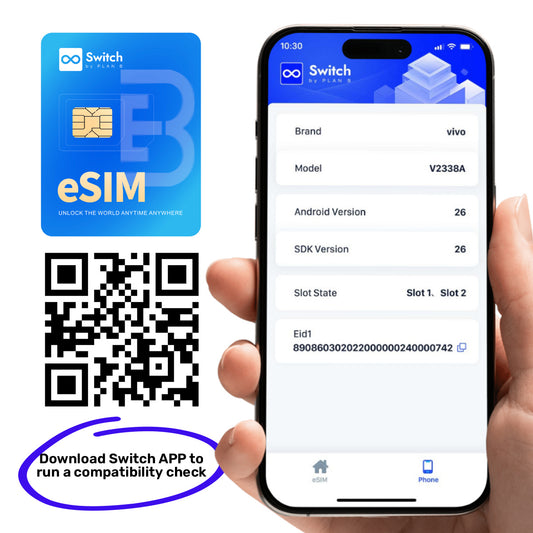
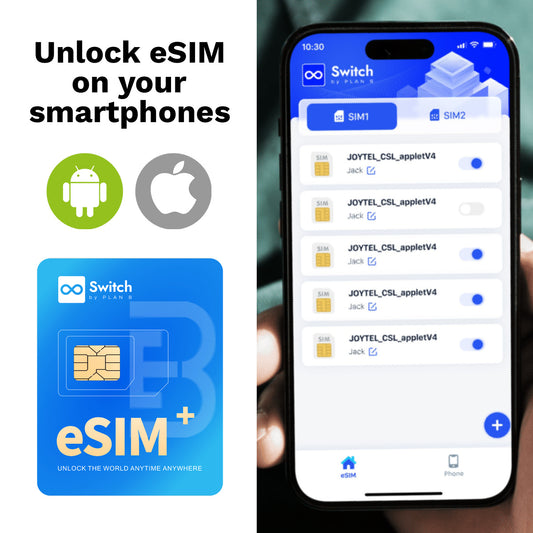
Switch Pro requires a compatible physical SIM slot and an Android phone — it doesn't work as a standalone accessory without one. Profile switching runs through the Switch Android app, which stores and swaps profiles without pulling the card out of the tray.
Where Switch Pro shines
- Manages several eSIM profiles from one Android app instead of juggling physical cards
- Works across Android models that share a compatible physical SIM slot
- Fits users who separate work and personal numbers on one device
Where Switch Pro falls short
- iPhone owners can't use it; Switch Max is the correct product for that case
- Still depends on the phone's own physical SIM slot and its network bands
- Setup involves an app install step Twise's card-only flow may not require
Best for: Android users running multiple eSIM profiles from one app.
| Dimension | Switch Pro | Twise |
|---|---|---|
| OS support | Android | Check current spec sheet |
| Profile management | Switch Android app | Card-based switching |
| Physical SIM slot | Required | Required |
| Bulk / white-label supply | Available | Not confirmed |
2. Switch Max: best for iPhone eSIM profile switching
Switch Max is configured before it goes into a compatible iPhone's physical SIM tray. iPhone eSIM behavior still depends on the exact model, regional variant, carrier-lock status, network bands and the eSIM provider issuing the profile — Switch Max doesn't override any of those.
Where Switch Max shines
- Extends physical-card eSIM switching to iPhones that support it, which most Android-first cards don't attempt
- Useful for travelers who carry destination-specific profiles on an iPhone
- Works alongside pre-loaded destination-data cards for pre-trip setup
Where Switch Max falls short
- Not every iPhone model or carrier-locked unit will behave the same way — check compatibility before buying
- Configuration happens ahead of insertion, not through an in-app switch like Switch Pro's Android flow
- No native carrier-lock bypass; a locked iPhone stays locked
Best for: iPhone users who need eSIM profile switching on a device without native multi-profile support.
| Dimension | Switch Max | Twise |
|---|---|---|
| OS support | Compatible iPhones (model/region/carrier-lock dependent) | Check current spec sheet |
| Profile management | Pre-configured card, inserted into tray | Card-based switching |
| Physical SIM slot | Required | Required |
3. Switch Bluetooth reader: best for provisioning without an Android phone
The open-source Bluetooth eSIM card reader loads profiles onto routers, hotspots, IoT devices and phones with a physical SIM slot — without needing an Android handset as the controller. That's the gap neither Switch Pro nor a card-only product like Twise closes on its own.
Where the reader shines
- Provisions devices that don't have an Android app to run in the first place, like routers and IoT hardware
- Open-source design suits teams that want to inspect or extend the provisioning process
Where the reader falls short
- Adds a separate hardware step; it's not a drop-in replacement for fast in-app switching on a phone you're already carrying
- Still needs a compatible physical SIM slot on the receiving device
Best for: provisioning eSIM profiles onto devices without an Android phone in the loop.
Compare all Switch eSIM adapters
See device fit, profile handling and setup path for each option.
Other cards in this category
9eSIM and eSIM.me are other physical eSIM adapter cards that come up in the same searches as Twise. Neither has verified current specs or pricing in this comparison, so check each vendor's own spec sheet directly before deciding between them and Twise, Switch Pro or Switch Max.
Why people switch from Twise
- They need iPhone support. A card that's Android-first doesn't help once the primary device is an iPhone — Switch Max targets that exact gap.
- They need to provision devices with no phone in the loop. Routers, hotspots and IoT hardware need the Bluetooth reader's approach, not a phone-app-controlled card.
- They need bulk or white-label supply. Switch eSIM offers retail, bulk and white-label supply; a single-unit card product may not scale the same way for resellers or fleets.
When staying with Twise makes sense
If every device in use is Android, the profile count stays low, and there's no bulk or white-label need on the horizon, switching hardware for the sake of it isn't worth the disruption. Buy new hardware when the current setup actually blocks a task — an iPhone in the mix, a device with no Android app to run, or a fleet that needs provisioning at scale — not before.
FAQ
What is the best Twise alternative in 2026?
Switch Pro is the strongest Android alternative to Twise in 2026, Switch Max is the pick for compatible iPhones, and the Switch Bluetooth reader covers devices with no Android app at all.
Does Switch Pro work on iPhone?
No. Switch Pro runs through the Switch Android app and requires an Android phone with a compatible physical SIM slot. iPhone users need Switch Max instead.
Can I load eSIM profiles without an Android phone?
Yes, using the Switch Bluetooth reader, which provisions routers, hotspots, IoT devices and phones with a physical SIM slot without an Android app as the controller.
What physical requirement do these eSIM adapter cards share?
Every option in this comparison, including Twise, Switch Pro and Switch Max, requires the target device to have a compatible physical SIM slot. Without one, none of these cards function.
Is Switch Max compatible with every iPhone?
Not automatically. Compatibility depends on the iPhone model, regional variant, carrier-lock status, network bands and the eSIM provider issuing the profile, so check compatibility before buying.
How do I load profiles onto the Switch Bluetooth reader?
The open-source Bluetooth reader pairs with a compatible device and provisions eSIM profiles directly, without needing an Android phone to run a companion app first.
Are 9eSIM and eSIM.me good Twise alternatives too?
They're other physical eSIM adapter cards in the same category, but current specs and pricing for both should be checked directly on each vendor's site before comparing.
When should I stick with Twise instead of switching?
Stay with Twise if every device is Android-only, profile counts stay low, and there's no need for iPhone support, phone-free provisioning or bulk supply.
One last thing
The filter that trips up most buyers isn't the app or the card — it's the physical SIM slot on the target device. Confirm that before comparing any feature list, Twise's included, because no software layer fixes a phone that doesn't have one.